
Qubicweb reading view
From Static to Adaptive: Why This Fall Is the Right Time to Rethink How You Sit
Internal Read means the full piece stays on Qubicweb, with its source path and context still visible.
Brief points
- Up to 37% Off LiberNovo's Ergonomic Chairs VIEW SALE Most people don’t notice discomfort building up.
- It arrives gradually—a tight lower back by mid-afternoon at your MacBook, a stiff neck after a long session color-grading in Final Cut Pro, restlessness that no amount of...
- The problem isn’t willpower or posture discipline.
Sit Smarter. Save Bigger.
Up to 37% Off LiberNovo's Ergonomic Chairs
Most people don’t notice discomfort building up. It arrives gradually—a tight lower back by mid-afternoon at your MacBook, a stiff neck after a long session color-grading in Final Cut Pro, restlessness that no amount of adjusting a static chair seems to fix. The problem isn’t willpower or posture discipline. It’s that traditional chairs are built to hold one position, while the human body is built to move.
That’s the premise behind LiberNovo’s Omni and Maxis ranges, two lines of dynamic ergonomic chairs designed around a simple idea: support should adjust to you, continuously, not the other way around.
And this fall, as National Ergonomics Month puts a spotlight on healthier sitting habits, LiberNovo is running its Fall Prime Sale — offering up to 37% off selected chairs and accessories for anyone ready to make that upgrade.
LiberNovo
Why Dynamic Support Matters
Sitting for eight or more hours a day—the reality for most developers building in Xcode, creatives rendering timelines in Final Cut Pro or Logic Pro, and hybrid professionals running their whole workday off a MacBook—puts sustained pressure on the same muscles and joints hour after hour. A static chair, no matter how well-cushioned, locks the body into one shape. Over weeks and months, that compounds into fatigue, tightness, and reduced focus, whether you’re compiling code or scrubbing through 4K footage.
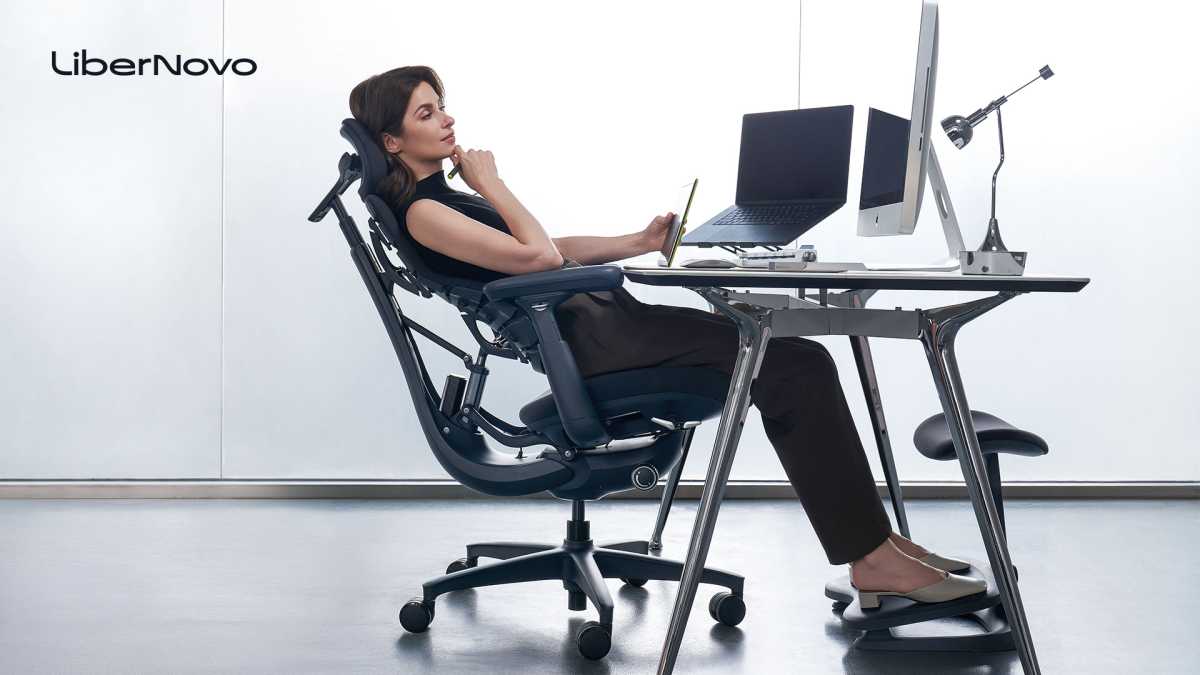
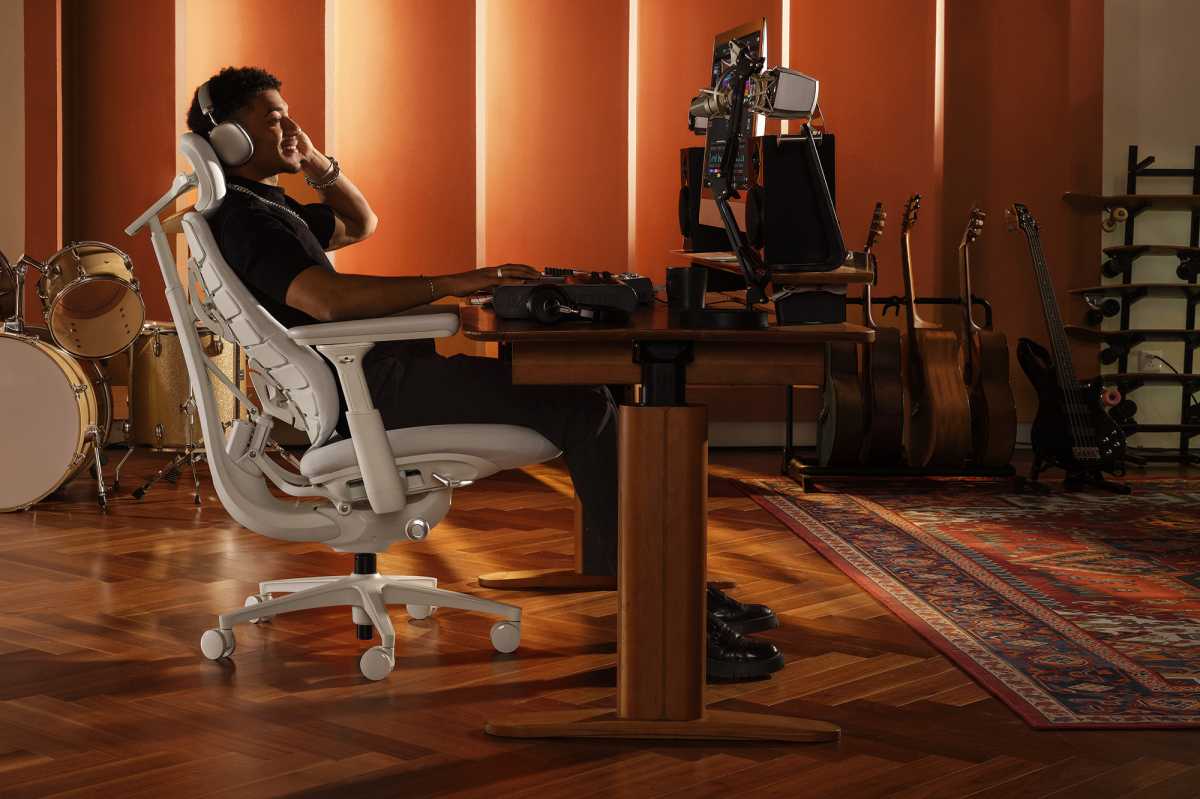
LiberNovo’s answer is a dynamic engineering approach: Adaptive Lumbar Support that shifts with your movement, a OmniStretch Recovery Mode that introduces gentle relief during the workday, and a 105° to 160° recline range that lets users transition fluidly between focused, upright work at a standing desk and full relaxation. The goal isn’t just comfort in the moment—it’s converting hours of sedentary strain into ongoing postural relief.
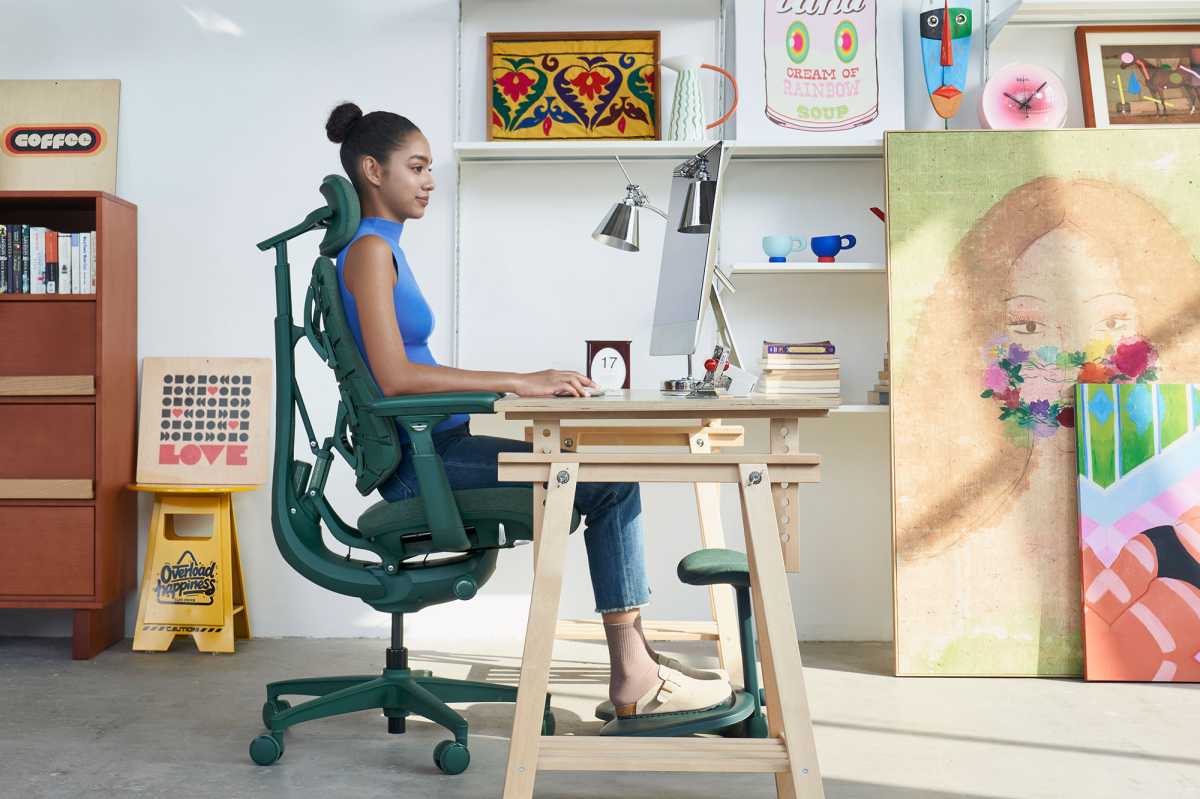
The design idea is what LiberNovo calls a Dynamic Support System: headrest, backrest, armrests and seat move in sync, so support follows the body rather than holding it in one posture.
LiberNovo
What to Look for in a Premium Ergonomic Chair
Before buying, it’s worth understanding what actually separates a premium ergonomic chair from a standard one: adjustability that matches your body (not a one-size-fits-all frame), lumbar support that moves with you rather than staying fixed, and a recline mechanism engineered for smooth, controlled transitions rather than an abrupt drop. For Mac users who’ve already invested in a considered desk setup—a Studio Display, a mechanical keyboard, a well-placed Mac mini or Mac Studio—the chair is often the last piece to get the same attention.
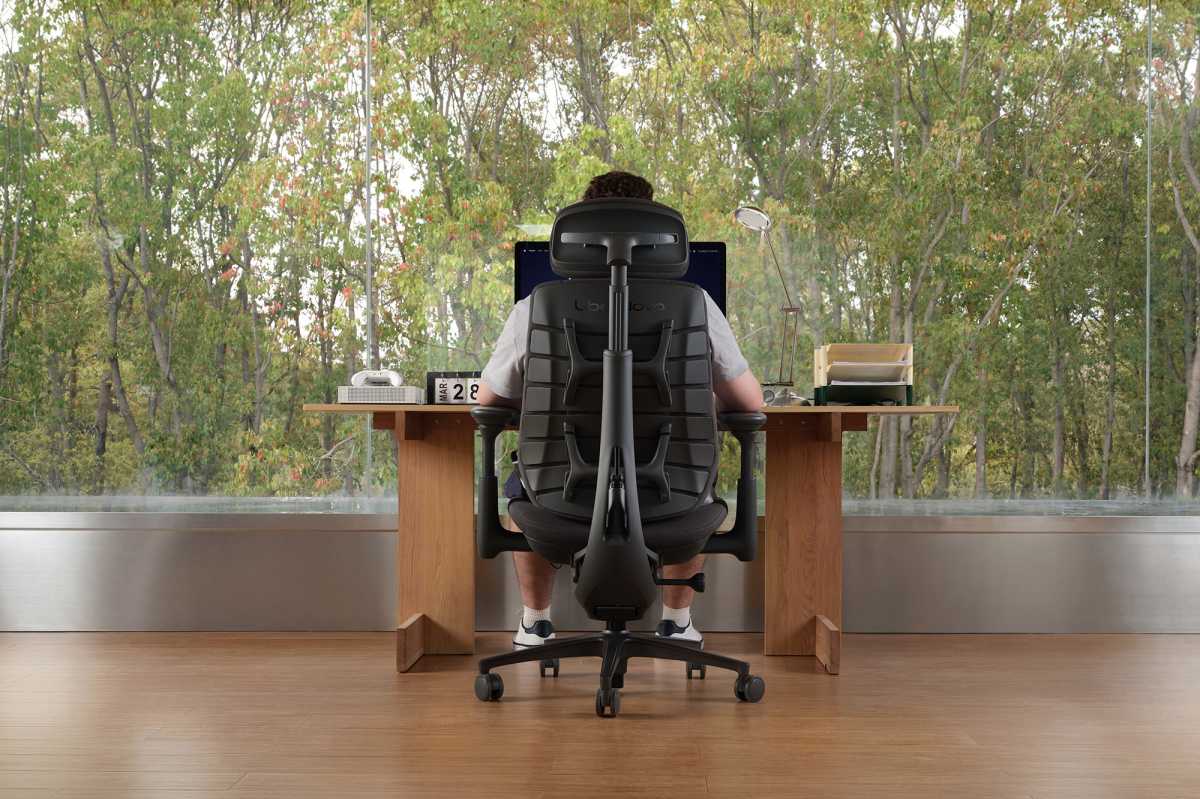
Maxis is this fall’s campaign hero—a larger-size dynamic chair series purpose-built for Big & Tall users, available in Basic, Standard, and Premium configurations across Manual, Electric, and Airflow versions. It features a 52 cm ultra-deep seat for extended thigh support, a wider back frame (430 mm shoulder span, 520 mm waist width), an extended-reach U-shaped headrest, curved arc armrests that reduce waist compression, and a six-spring progressive recline system for stability at scale. The Maxis frame is rated to 399 lb (181 kg) and sized for users from 5’10” to 6’7″ (178–200cm).
Maxis Airflow adds Active AirFlow Ventilation, a sensor-driven seat ventilation system powered by a rechargeable battery—a feature otherwise available only on the Omni Pro.
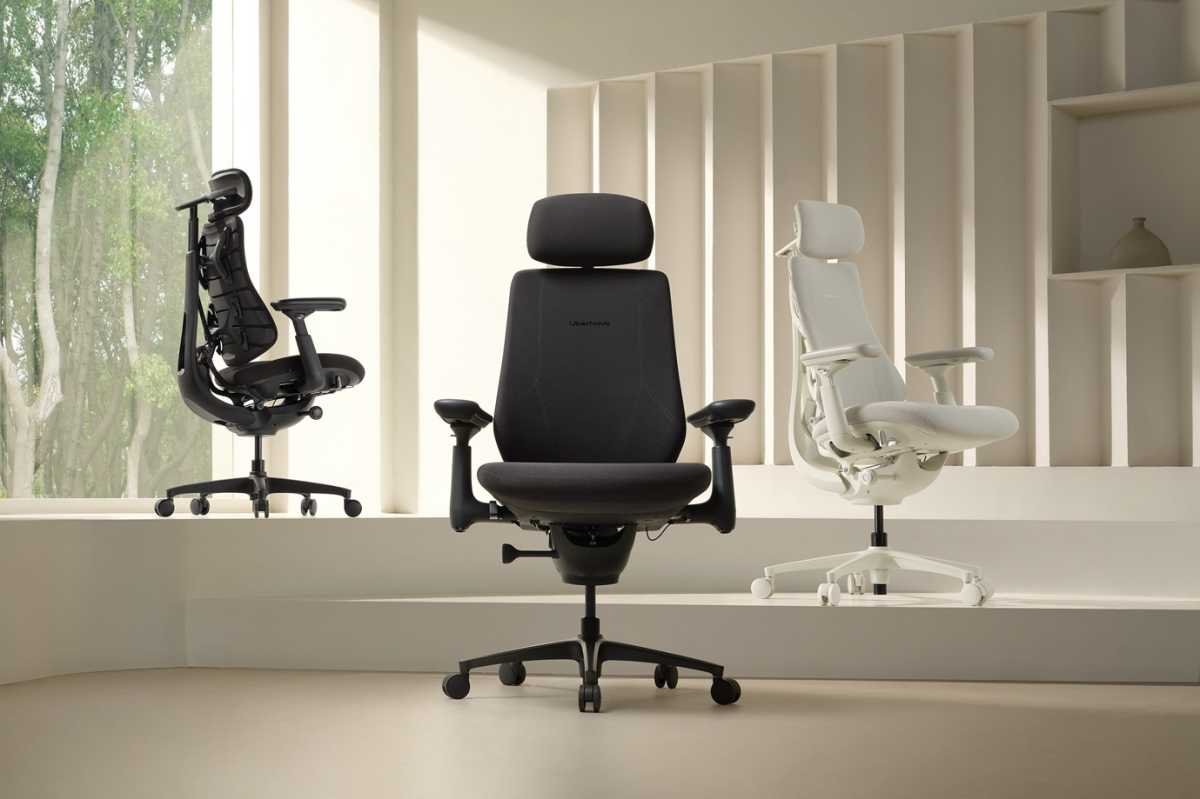
Omni rounds out the lineup for a broader range of needs and budgets: Omni Pro for a fully loaded electric experience, Omni GEN for balanced everyday versatility, and Omni SE as an accessible entry point for a first ergonomic upgrade.
A core engineering feature shared by the Omni and Maxis is the Bionic FlexFit backrest, which uses eight adaptive panels and 16 pivot points to contour along the spine’s natural S-curve.
LiberNovo
A Rare Window to Invest
Ergonomic seating is a long-term investment, and this sale is structured accordingly. Shoppers who buy early get 30-day price protection, along with gifts and automatic savings on qualifying orders—so there’s no pressure to rush a decision to catch the best price. Teams of five or more—think a Mac-based creative studio or dev team outfitting a new office—can also access special bulk pricing across eligible Maxis and Omni configurations, making this a practical moment for standardizing on better seating.
Whether the goal is powering through long Xcode builds, editing for hours in Final Cut Pro without stiffness, or simply sitting better at your home office Mac setup, the LiberNovo Fall Prime Sale is a chance to treat your chair as what it actually is: infrastructure for how you work, create, and feel every day.
LiberNovo
LiberNovo